Vape Vending Machines and Age Restrictions: Why an ID Scanner Is Not Enough
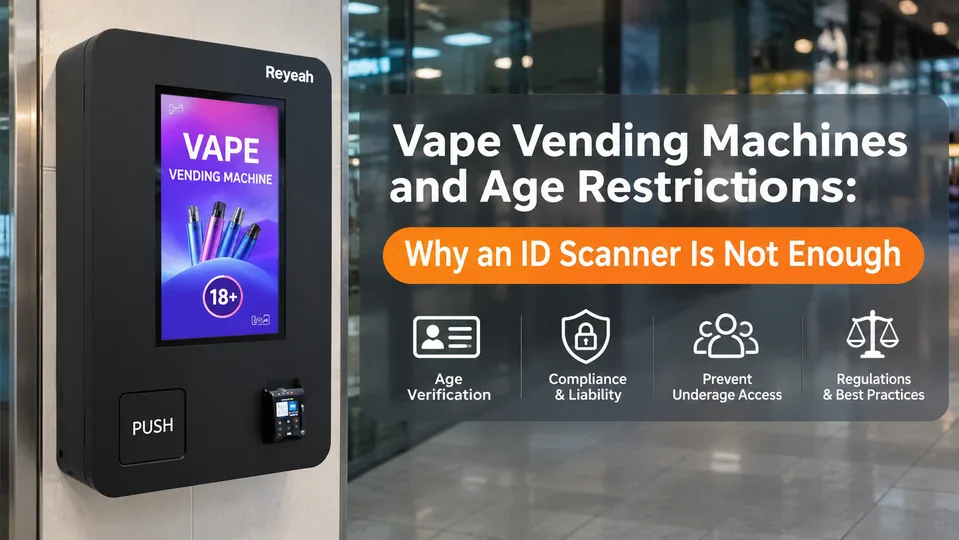
Vape vending machine age restrictions involve more than an ID scanner. A scanner answers a limited question about a person or document presented to it. It does not answer every legal question about an electronic-cigarette vending machine. Whether vending is allowed, whether a venue qualifies and whether a particular product can be supplied are separate issues.
This distinction matters when reviewing industry claims. A machine described as having “age verification” should not automatically be described as lawful in every market.
Vape vending age restrictions: premises and customers
In the United States, FDA’s Tobacco 21 guidance explains that tobacco products, including e-cigarettes, cannot be sold to anyone under 21. It also states that vending sales of covered tobacco products are prohibited in facilities where people under 21 are present or permitted to enter at any time.
That facility restriction cannot be reduced to a check at the machine. A scanner does not change who may enter the premises. Nor should a venue be assumed to qualify simply because most visitors are adults.
The United States is one example, not a worldwide template. The rules relevant to a particular address and product need their own current review.
Ask what a compliance claim actually covers
Statements such as “fully compliant” are difficult to evaluate without a defined jurisdiction, product category and scope. A component certificate may relate to electrical safety, radio equipment or another technical requirement. It may say nothing about the legality of selling a restricted product through a machine.
Request the full document behind a claim, including its issuer, model reference, scope and date. Keep technical equipment documentation separate from advice on retail activity. One cannot substitute for the other.
Where the legal position remains unclear, obtain a written assessment from the relevant authority or a qualified local adviser. A sales brochure is not a legal determination.
Review age assurance as a control, not a label
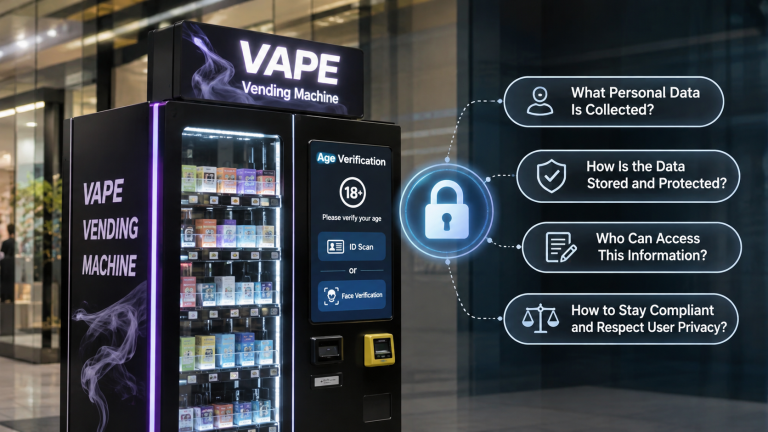
Different systems may inspect documents, estimate age or rely on another provider’s response. These methods should not be treated as interchangeable. A system may establish information about a document without establishing that the person using it is the document holder.
A compliance review should ask what the system checks, what it does not check, and what happens when it cannot reach a reliable result. Review evidence of independent evaluation where available rather than accepting an unexplained accuracy percentage.
The review should also cover staff permissions. An undocumented override can weaken a control that otherwise appears strict. Uncertainty should trigger review or refusal, not an informal shortcut.
Consider the people outside the transaction
A venue’s access policy may change during private events, daytime activities or maintenance. A statement about the usual evening audience does not describe all uses of the building.
A legal assessment therefore needs an accurate account of the premises, not a convenient description selected for an equipment proposal. Responsibility should be clear between the venue and anyone involved with the machine.
If circumstances change, the previous assessment may no longer apply. Keep a dated record of decisions and identify who is responsible for checking whether they remain valid.
Keep the review separate from promotion
This article is a compliance discussion, not a recommendation to sell or use nicotine products. Age assurance should be evaluated for its ability to protect minors and comply with applicable requirements, not merely for how quickly it lets a transaction proceed.
Rules and interpretations can change. Before relying on any general statement, check the current official material for the relevant jurisdiction and obtain location-specific advice. The useful outcome of a review may be a decision that a proposed installation should not proceed.