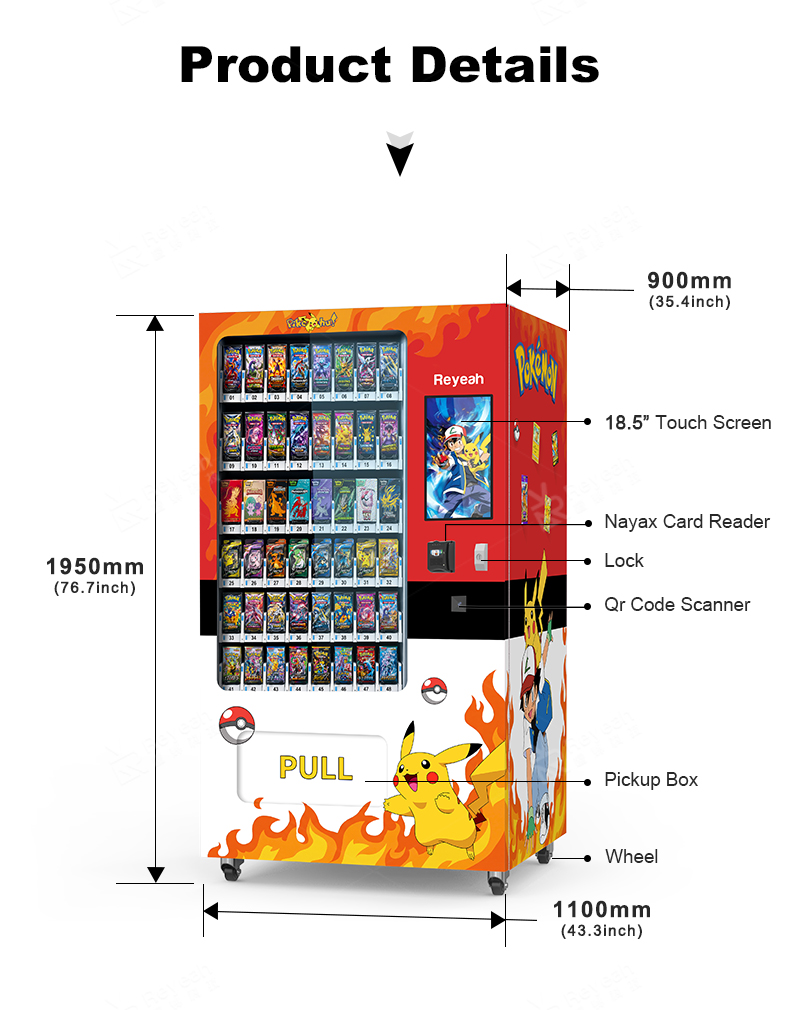
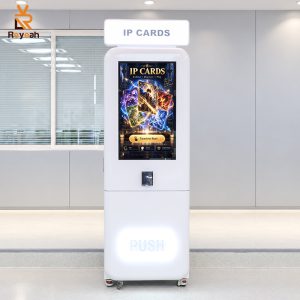
Product details
TCG Vending Machines: A New Way to Sell Pokémon Cards and Trading Cards
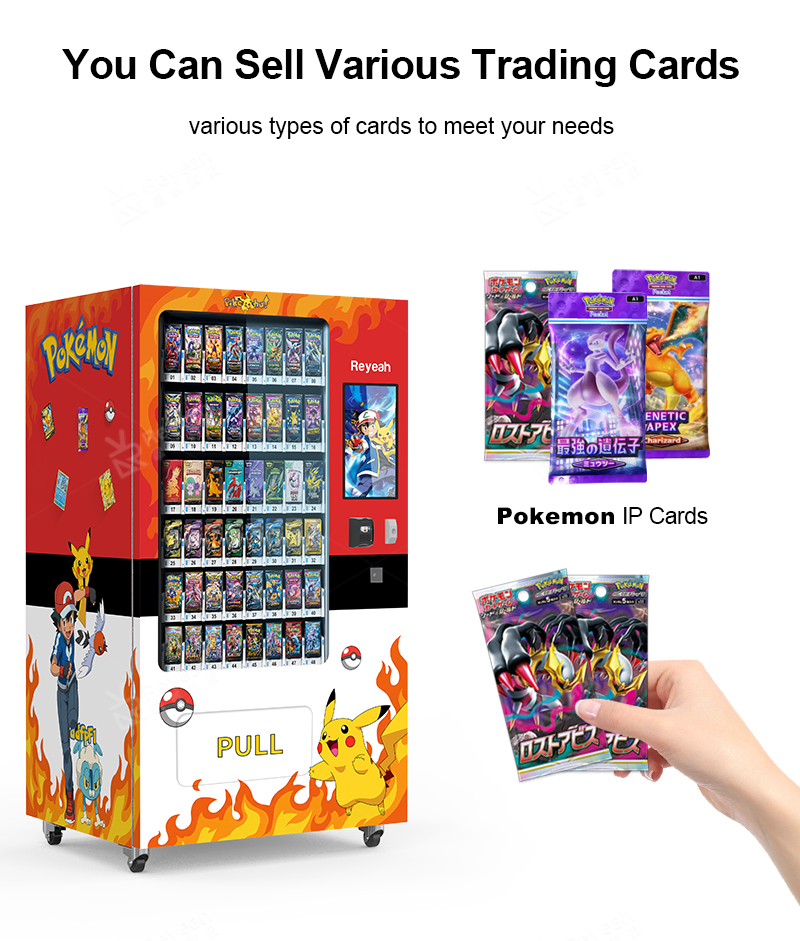
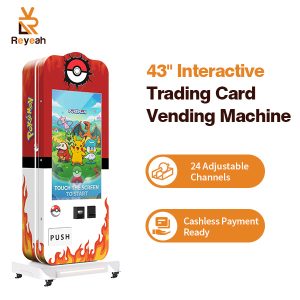
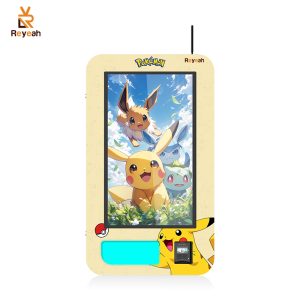
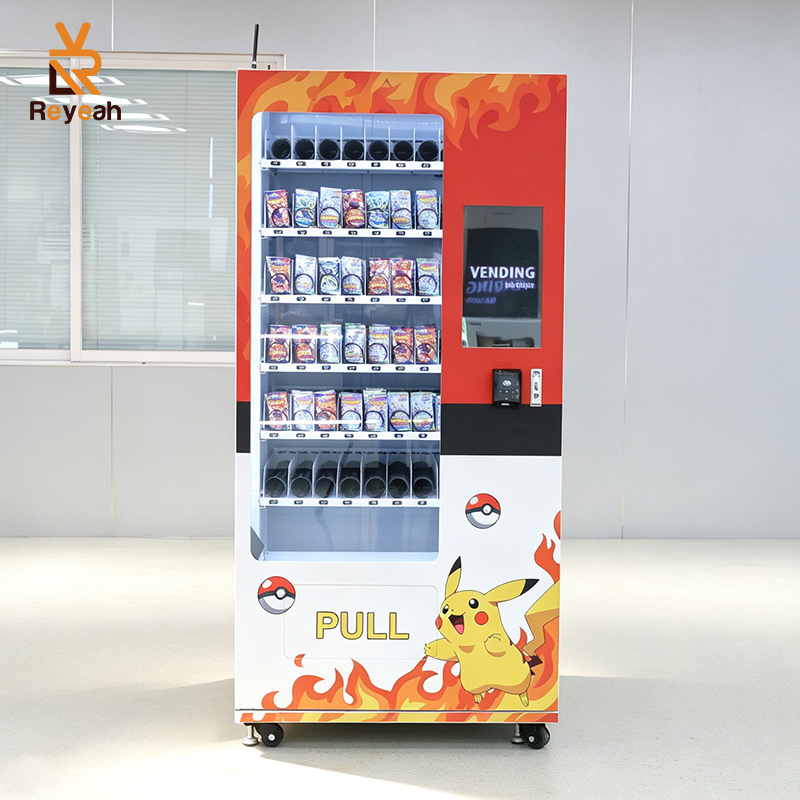
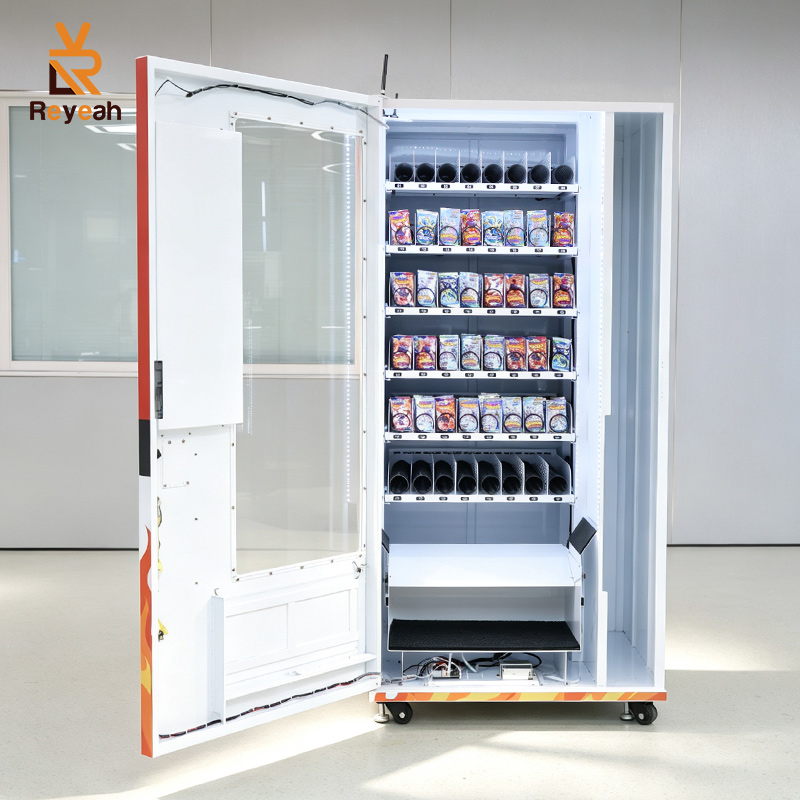
Trading card vending machines are becoming an interesting option for card shops, collectors and vending machine operators. Instead of selling only snacks and drinks, a TCG vending machine can be stocked with Pokémon cards, sports cards, booster packs, mystery packs and other collectible products.
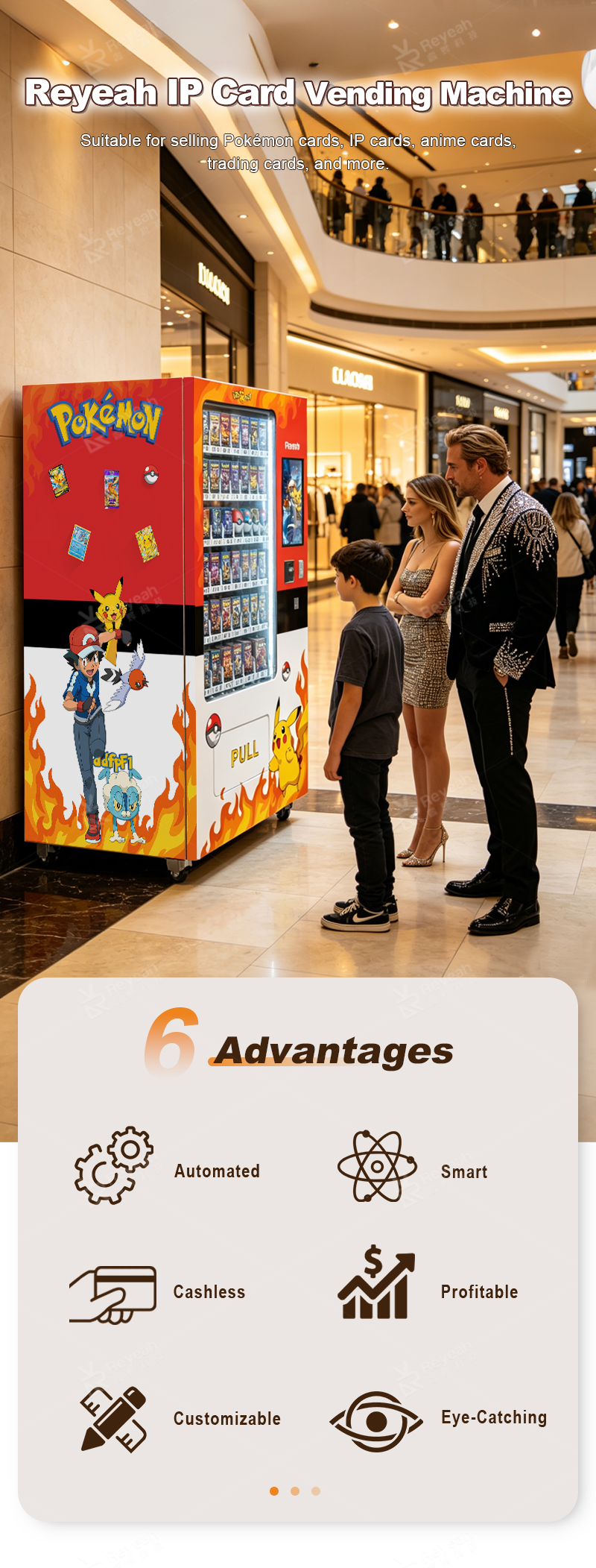
For businesses looking for a relatively small retail format that can operate for long hours without permanent staff, a Pokemon card vending machine offers a practical way to reach customers in shopping malls, game stores, entertainment centers and other busy locations.
Why TCG Vending Machines Are Getting More Attention
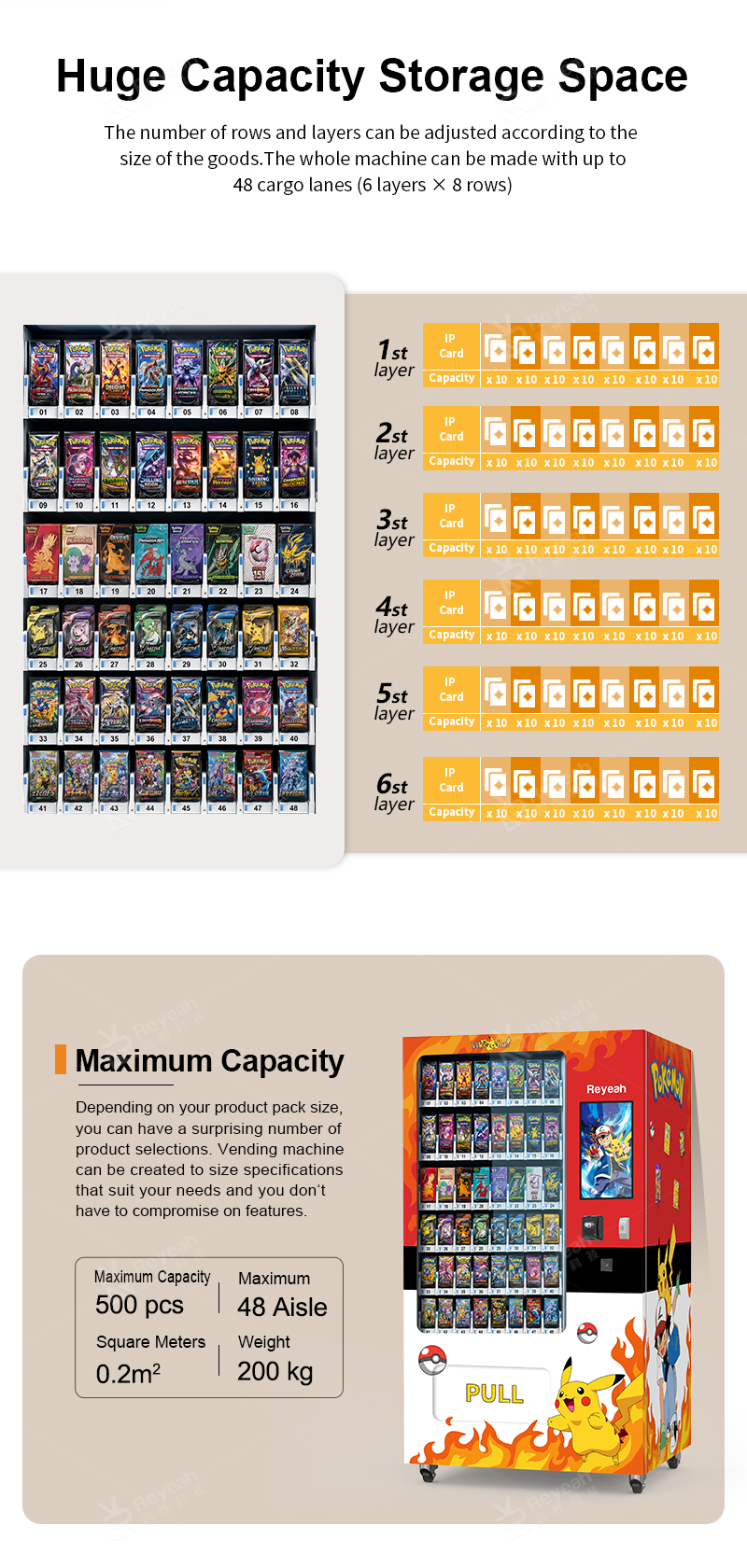
Trading cards are different from many traditional vending products. They are small, easy to store and usually have a higher selling price compared with their size. A machine does not need a large storage area to carry a reasonable amount of inventory.
Pokémon is one of the most recognizable names in the trading card market, but the opportunity is not limited to Pokémon cards. Depending on the local market, operators can also sell sports cards, basketball cards, football cards, baseball cards and other TCG products.
Another advantage is that card buyers are already familiar with purchasing sealed products such as booster packs, boxes and mystery packs. This makes vending a fairly natural extension of the existing retail model.
A machine can also stay available when a normal card shop is closed. For locations with evening and weekend traffic, the longer operating hours can create additional sales opportunities.
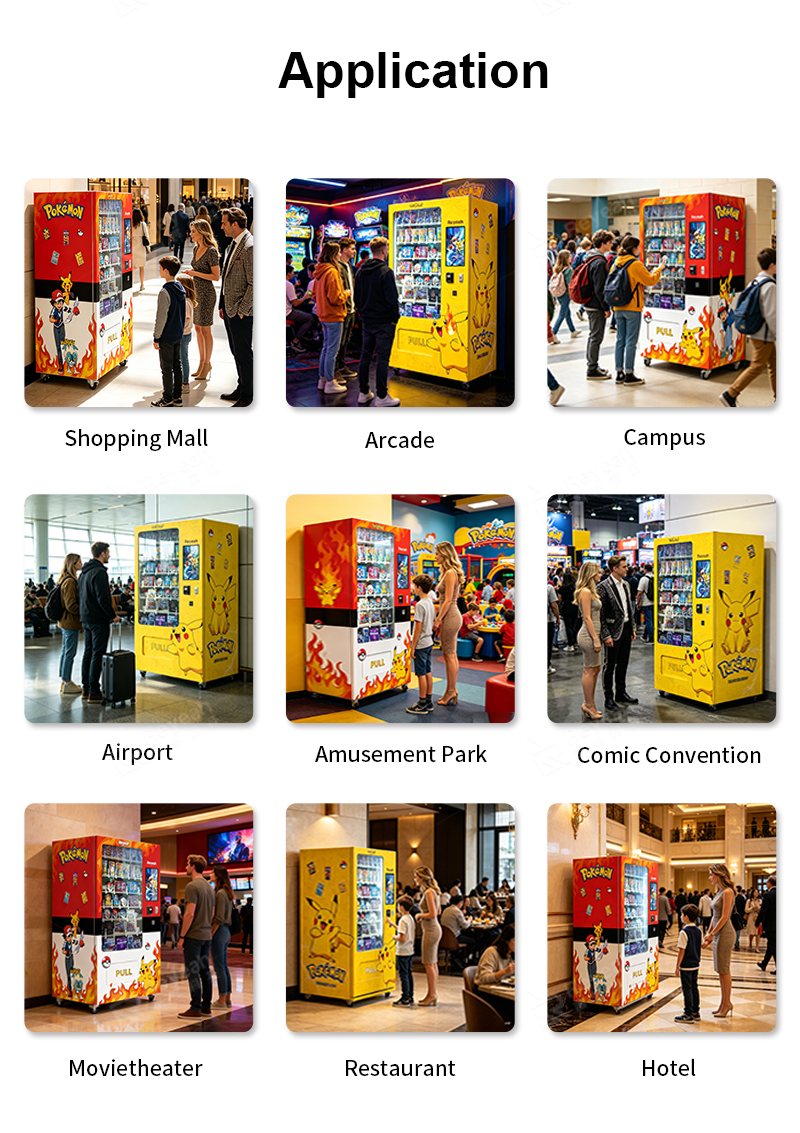
Where Can a Pokemon Card Vending Machine Be Deployed?
Location is one of the most important factors when operating a card vending machine. A good machine in the wrong location can still struggle.
Shopping malls are an obvious choice because they provide steady foot traffic and a broad customer base. Placing the machine near cinemas, arcades, toy stores or family entertainment areas can make even more sense.
Game stores and card shops are another option. At first this may seem unnecessary because the store already sells cards, but a vending machine can be positioned outside the shop or near the entrance to provide an additional sales channel.
Other possible locations include:
- Shopping malls
- Game and hobby stores
- Card shops
- Arcades
- Cinemas
- Family entertainment centers
- Universities and campuses
- Convention centers
- Indoor sports facilities
- Hotels and tourist areas
There is no single best location for every operator. Rental cost, customer profile, operating hours and nearby competition all need to be considered.
Indoor or Outdoor Deployment?
Most TCG vending machines are easier to operate indoors. Indoor locations reduce exposure to rain, humidity, direct sunlight and large temperature changes. They also generally have better security.
Outdoor deployment is possible, but the machine needs to be designed for it. Waterproofing, cabinet construction, screen protection, locks and temperature control become much more important.
For a first location, an indoor site is usually easier to manage.
Operators planning outdoor deployment should confirm that the machine is actually built for outdoor use rather than simply placing a standard indoor machine under a roof.
What Products Should Be Sold?
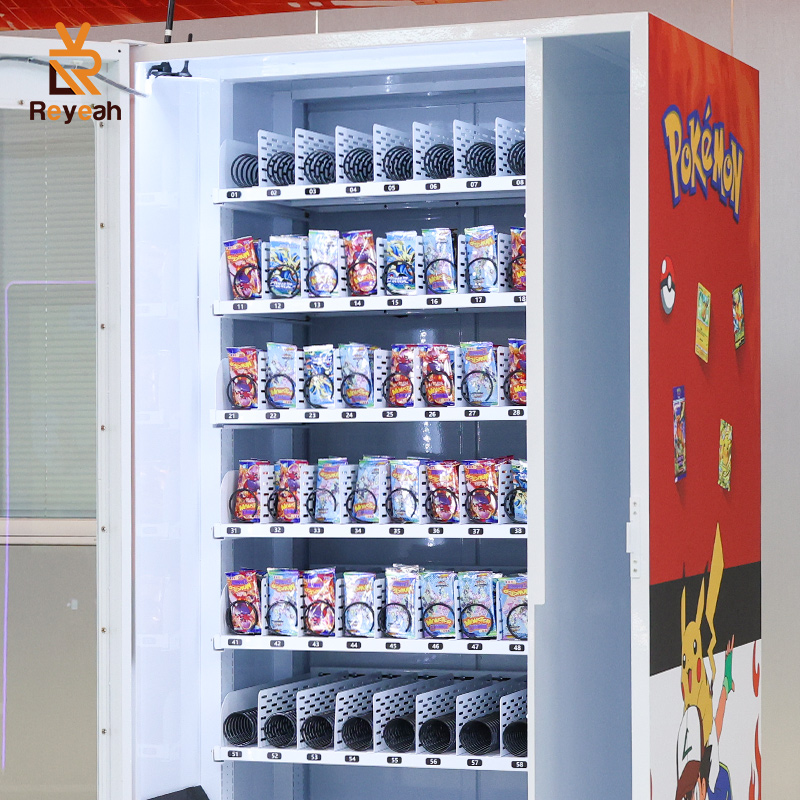
A Pokemon vending machine does not have to sell only individual booster packs.
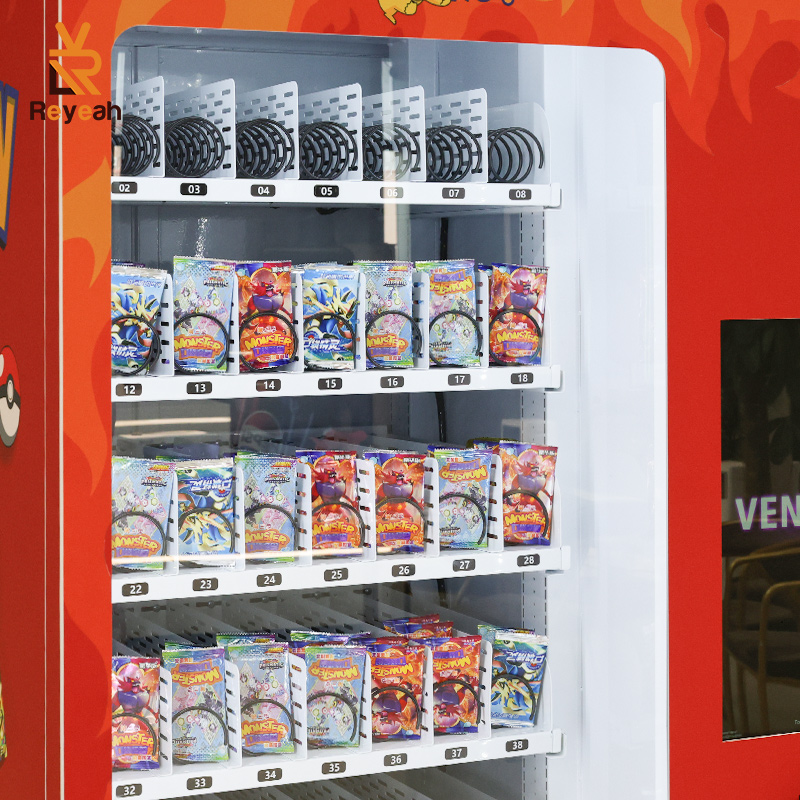
A mixed product selection can make the machine more useful and give customers different price points. For example, one machine might contain standard booster packs, premium packs, small boxed products and mystery card packs.
Sports cards can also be added if there is demand in the local market. This turns the machine into a broader sports card vending machine instead of relying entirely on one category.
The internal dispensing system needs to match the product dimensions. Trading cards are thin and lightweight, so a vending mechanism originally designed for bottles or large snack bags may not always dispense them reliably.
This is why product testing is important before deployment.
How Does a TCG Vending Machine Make Money?
The basic business model is straightforward:
Sales revenue – product cost – location cost – payment fees – operating expenses = operating profit
However, actual profitability varies considerably from one location to another.
Consider a simple example. If a machine sells an average of 20 products per day and the average selling price is $8, daily revenue would be around $160.
Over 30 days:
$160 × 30 = $4,800 in monthly sales
This is revenue rather than profit.
The operator still needs to deduct the wholesale cost of the cards, site rent or revenue sharing, card payment fees, electricity, restocking expenses and machine depreciation.
A high-traffic location can produce much better results, while a poorly selected location may not generate enough sales to justify the rent.
For this reason, it is better to calculate profitability based on realistic local traffic and product margins rather than assuming a fixed monthly return.
Product Margin Matters
Trading card prices can move quickly. Some sets remain popular for months, while others lose demand after the initial release period.
Operators therefore need to pay attention to inventory turnover.
If a booster pack costs $4.50 and sells for $7, the gross margin before operating expenses is $2.50. Selling 30 packs per day would generate $75 in daily gross margin before rent, payment fees and other costs.
But simply increasing the selling price is not always the answer. Customers who collect cards often know normal retail prices and can compare them easily.
A successful machine needs to balance convenience with reasonable pricing.
Restocking Can Have a Big Impact on Sales
TCG vending is not completely passive.
Popular products may sell out much faster than expected. If the best-selling slots remain empty for several days, the machine can lose a significant amount of potential revenue.
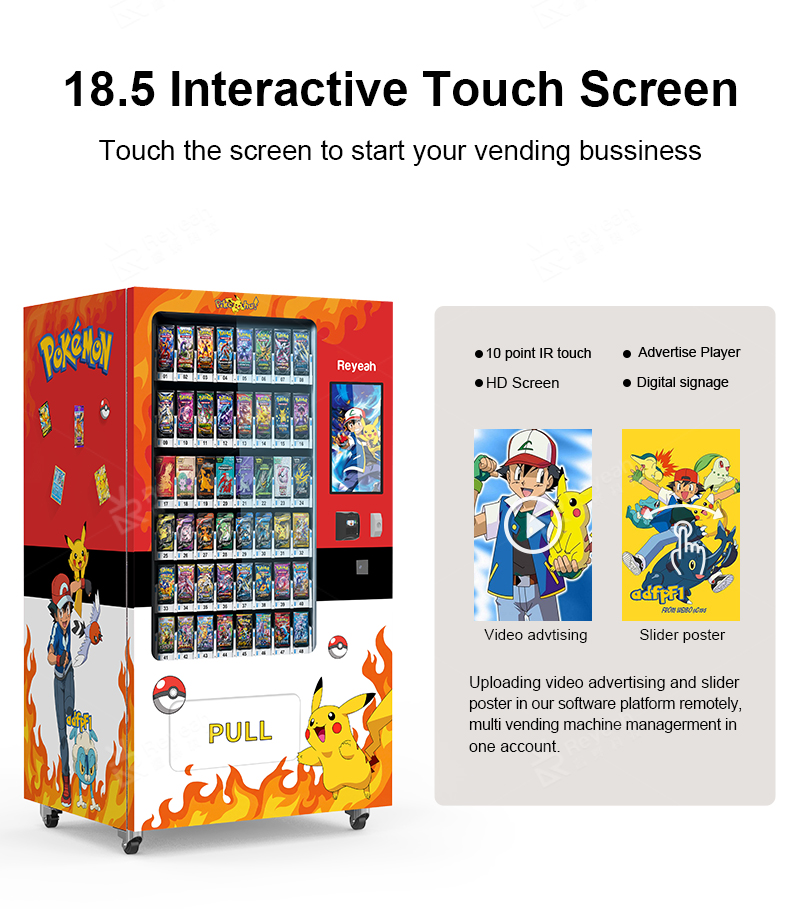
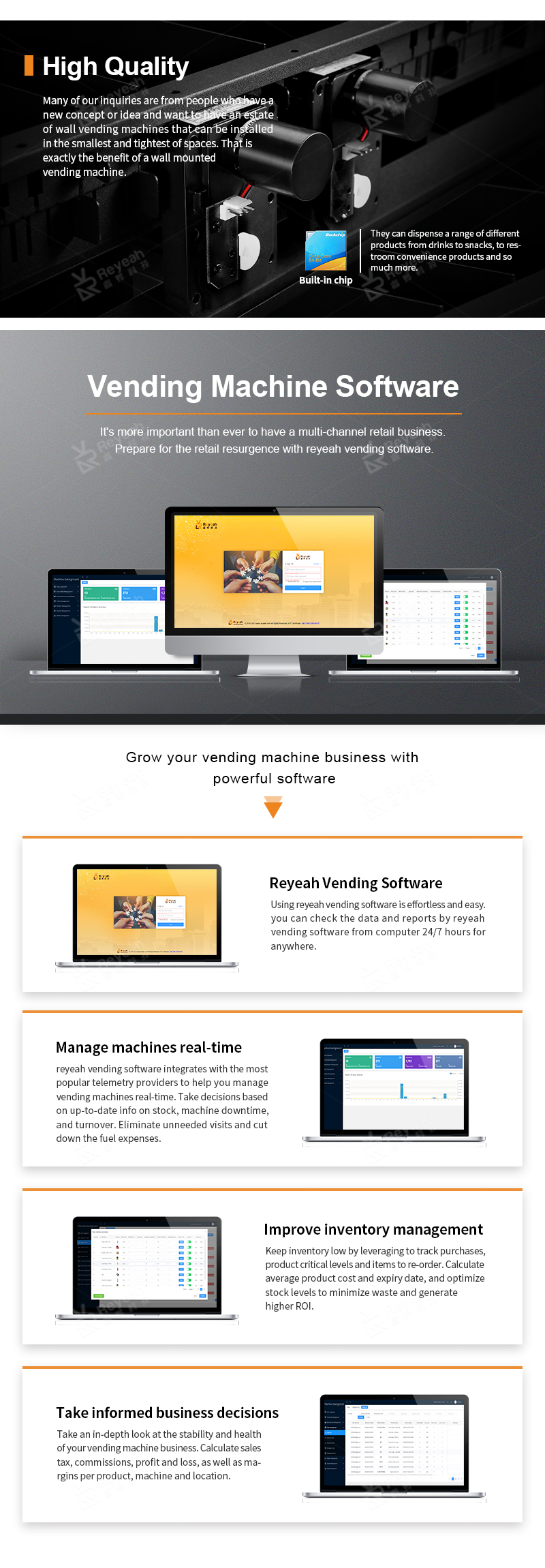
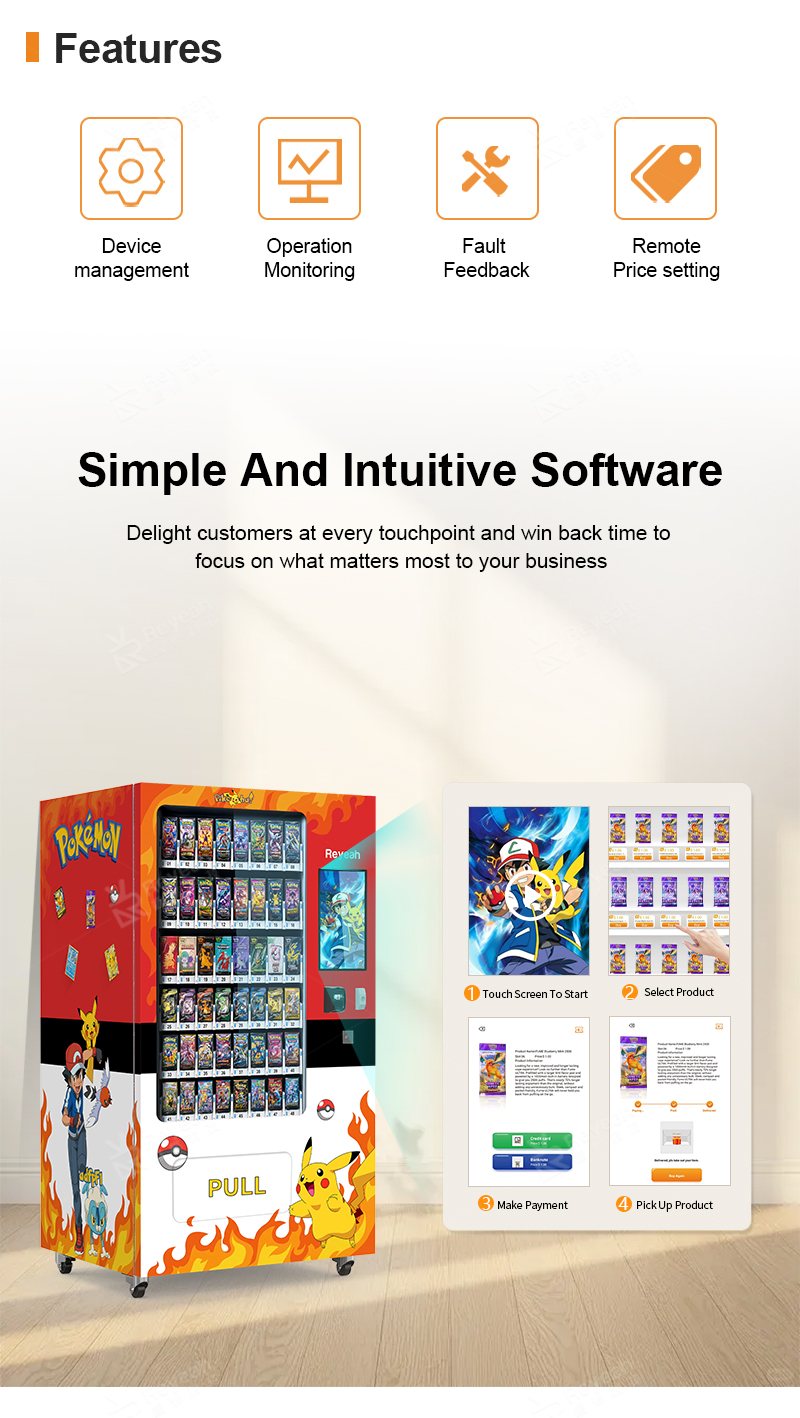
Remote inventory monitoring can help operators see what has sold without visiting every location.
Once several machines are deployed, this becomes increasingly important. Instead of checking every machine manually, the operator can arrange restocking based on actual inventory levels.
The goal is simple: keep popular products available while avoiding too much slow-moving stock.
Cashless Payment Is Becoming Essential
Trading card purchases can range from a few dollars to considerably higher amounts, especially when premium products are offered.
For this reason, card and mobile payment support is important for most modern TCG vending machines.
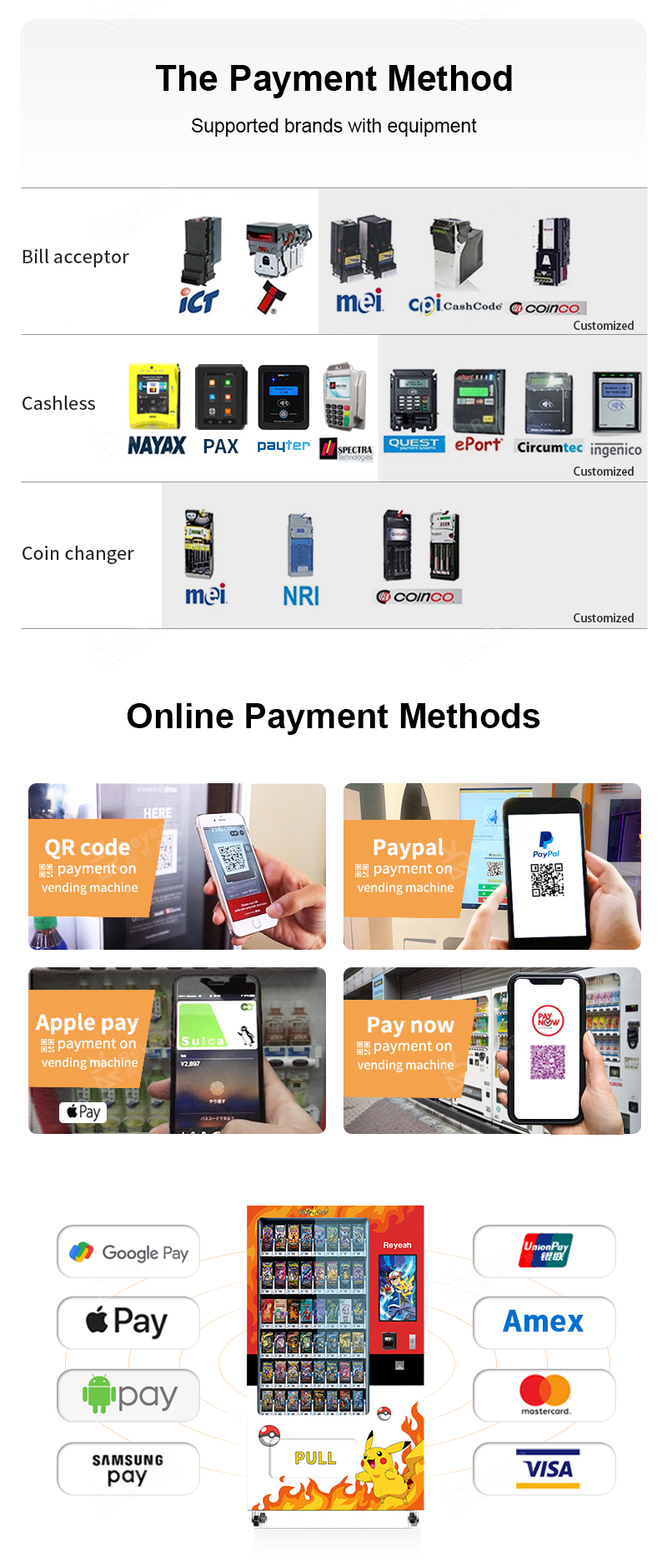
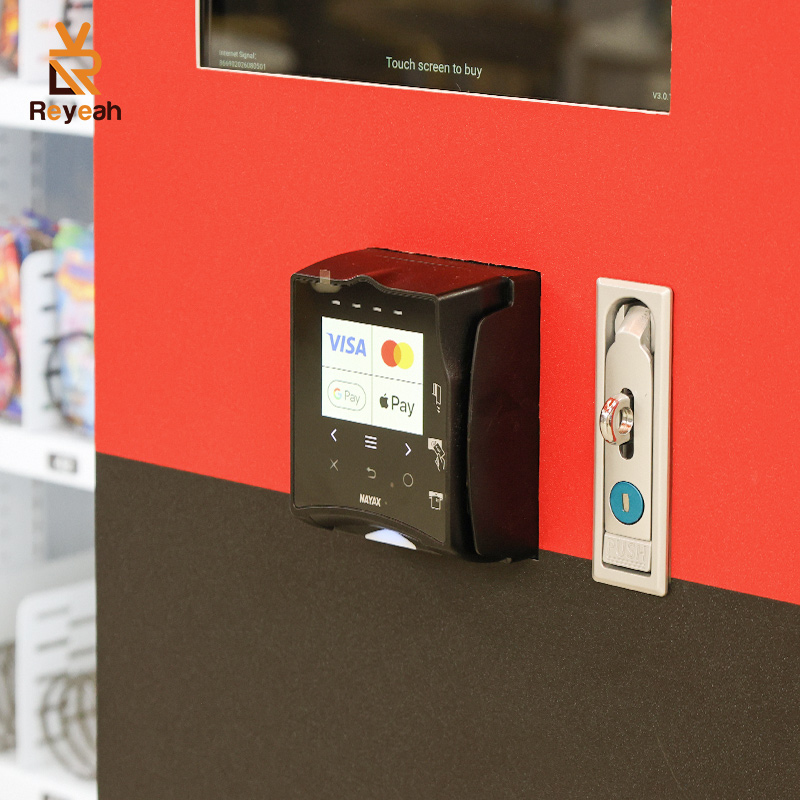
Depending on the country and payment system, a machine may support credit cards, debit cards, QR payments or mobile wallets.
Cash can still be useful in some markets, but operating a cashless machine has practical advantages. There is less cash to collect, fewer coin and bill handling problems, and remote management is easier.
Before purchasing a machine, operators should confirm that the payment terminal is compatible with the country where the machine will actually be installed.
Machine Appearance Also Matters
A trading card machine is partly a retail display.
Customers may notice the machine because of its graphics before they notice the products inside it. Good lighting, a clear screen and attractive branding can make the machine stand out, particularly in shopping malls and entertainment locations.
Operators building their own brand can customize the cabinet with a company logo, colors and graphics.
There is one important point when using Pokémon or other licensed characters: operators should make sure they have the necessary rights before using copyrighted characters, logos or official-looking artwork on the machine.
Selling legitimate Pokémon products does not automatically give a business permission to present the vending machine as an official Pokémon machine.
Security Should Not Be Ignored
Trading cards can have high value relative to their size, which makes machine security important.
A machine selling inexpensive snacks and a machine carrying hundreds or thousands of dollars of collectible products do not have exactly the same security requirements.
A strong metal cabinet, reliable locks, secure payment equipment and a well-designed pickup area are worth considering.
Location also helps. Indoor sites with CCTV, security staff and controlled opening hours generally present less risk than isolated outdoor locations.
Start With One or Two Locations
Buying a large number of machines before testing the business model can create unnecessary risk.
A more practical approach is to start with one or two machines and track the results.
Pay attention to daily sales, best-selling products, average transaction value, restocking frequency, location fees and customer feedback.
After several weeks or months, the numbers will show whether the location is worth keeping.
If the first location performs well, the same model can then be tested in another mall, card shop or entertainment venue.
Can TCG Vending Machines Become a Scalable Business?
They can, but scaling depends more on operations than on the machine itself.
One machine can be managed manually without much difficulty. Ten or twenty machines require a more organized system for purchasing inventory, monitoring stock, planning restocking routes, handling payment settlements and maintaining equipment.
At that stage, remote management becomes much more valuable.
Operators can also negotiate differently once they have a proven sales record. Instead of approaching a shopping mall with only an idea, they can show actual monthly sales data from existing locations.
That makes expansion easier to evaluate for both the operator and the property owner.
The Outlook for Pokemon Card Vending Machines
The long-term opportunity for Pokemon card vending machines and TCG vending machines comes from combining two established markets: collectible cards and unattended retail.
The machine itself is not a guarantee of profit. The strongest results are more likely to come from good locations, reliable products, competitive pricing and regular restocking.
There is also room to expand beyond Pokémon. A machine can carry several trading card categories, sports cards and related collectibles, allowing the operator to adjust the product mix as demand changes.
For card stores, vending businesses and entrepreneurs, this flexibility is one of the main advantages of the model.
A well-positioned TCG vending machine can act as a small 24-hour retail point without requiring a full store or permanent salesperson. Start with a suitable location, test the product mix, study the sales data and expand only after the numbers make sense.
That approach is much more reliable than treating a Pokemon card vending machine as a machine that automatically generates passive income.